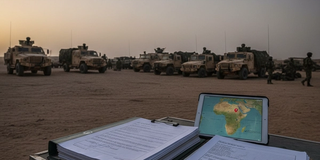
President Donald J. Trump ordered U.S. military strikes on ISIS in northwest Nigeria on Dec. 25, 2025, a Christmas Day operation that U.S. Africa Command said was conducted at the request of Nigerian authorities and in coordination with the Nigerian government. [1, 2] In a Truth Social announcement, Trump described the action as a “powerful and deadly strike” and said the “Department of War executed numerous perfect strikes.” [1, 3]
What happened—and who’s involved
Key stakeholders included U.S. Africa Command (AFRICOM), Secretary of War Pete Hegseth (Trump’s Pentagon chief), and Nigeria’s government, which U.S. officials said cooperated in the targeting and execution. [1, 2] AFRICOM’s public readout said the strike occurred in Sokoto State (some early U.S. posts misspelled it as “Soboto”). [1, 2]
Administration case: counter-terrorism and protection of Christians
The White House framed the strike as part of Trump’s counter-terrorism operations and a deterrent message—reposted in administration-aligned messaging as “All terrorists… will be hit harder than ever” in connection with the Nigeria action. [4] Trump and Hegseth tied the operation to protection of Christians from militants, citing alleged ISIS targeting of Christian communities and Trump’s prior warnings that continued killings would bring U.S. action. [1, 3]
Critics’ case: escalation risks and factual disputes
Opponents and regional analysts pointed to longstanding disputes over how to characterize Nigeria’s violence—Nigeria has argued that victims include multiple faiths and that the crisis is not solely anti-Christian persecution. [1, 2] Civilian-casualty transparency and congressional consultation also resurfaced as concerns, with early reporting noting limited immediate detail on targets and effects beyond “multiple” militants killed. [1, 3]
Executive directives on military prep
The strike followed Trump’s November directive instructing the Pentagon to “prepare for possible action” in Nigeria, part of a broader posture of readiness messaging from the administration. [1, 3]
Hegseth confirmation and next steps
Hegseth’s role was central: he publicly confirmed cooperation with Nigeria and signaled follow-on action (“more to come”). [1, 3] Separately, the Department of War issued official releases under Hegseth’s leadership as he consolidated control of personnel and operational messaging after his confirmation. [5]
What to watch: whether AFRICOM releases battle-damage assessments, whether Nigeria publicly details its role, and whether Congress seeks briefings on legal authority, targeting standards, and civilian-harm mitigation. [1, 2]
[1] https://apnews.com/article/trump-islamic-state-nigeria-43478823f0562cafc527fad1448a0542 [2] https://www.bbc.com/pidgin/articles/c8e9z690g3do [3] https://abcnews.go.com/Politics/trump-us-launched-strike-isis-terrorists-nigeria/story?id=128697246 [4] https://www.cnn.com/2025/12/25/politics/us-strikes-isis-nigeria [5] https://www.war.gov/News/Releases/Release/Article/4366189/flag-officer-announcement-for-december-22-2025/